Kamilah: A Handwritten Font for Creative Makers
There’s something special about the moment when a handwritten font comes to life on a candle label. I was working on a batch of soy candles, trying to find the perfect text for the labels, when I stumbled upon Kamilah. Its soft curves and gentle strokes felt like a personal touch, as if someone had written it just for me.
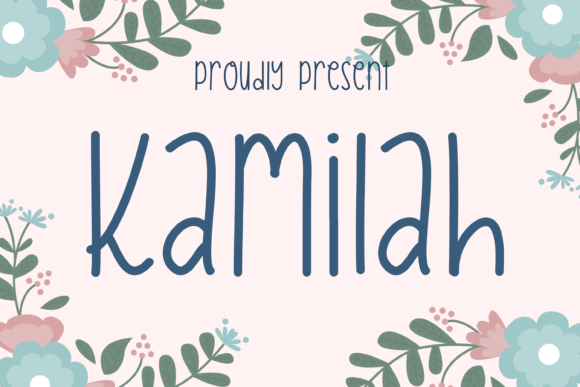
Kamilah is a simple and dainty handwritten font that brings a natural, unique style to any design. It’s not overly ornate, but it has enough character to stand out without overwhelming the layout. The font feels warm and approachable, making it ideal for handmade products that aim to connect with customers on a personal level.
One of the first projects I used Kamilah for was a set of greeting cards. I wanted the text to feel authentic, like it had been written by hand, and Kamilah delivered exactly that. Whether I was writing a birthday message or a thank-you note, the font added a sense of care and thoughtfulness to each card.
I also tested Kamilah on a series of stickers. The font’s fluid lines worked well for small designs, and even when scaled down, it remained readable. It was perfect for labels on jars, tags for handmade soaps, and decorative elements on packaging. The font’s versatility made it easy to incorporate into different types of projects.
For a wedding invitation project, Kamilah added a romantic and elegant touch. I paired it with a clean sans serif font for the details, allowing the script to shine as the main headline. The result was a design that felt both modern and personal, which is exactly what the couple wanted.
When designing printable wall art, Kamilah helped create a cozy, farmhouse vibe. I used it for quotes and sayings, and the font’s organic feel made the artwork feel more like a handcrafted piece than a digital download. It worked especially well for seasonal themes, like holiday greetings or springtime messages.
On a tote bag, Kamilah gave the design a personal, artisanal quality. I wrote a short phrase on the front, and the font’s delicate strokes made it look like it had been written by hand. It was a great way to add a custom touch without needing to use a complicated design tool.
For product packaging, Kamilah added a subtle yet meaningful detail. I used it for the brand name on boxes and bags, and it complemented the overall aesthetic of the products. The font’s simplicity made it easy to pair with other design elements, whether it was a logo, a pattern, or a color scheme.
One thing I’ve learned while using Kamilah is that it works best for short phrases, names, and titles. While it’s not ideal for long paragraphs, its charm makes it perfect for headlines, captions, and decorative wording. It’s especially effective when used in combination with other fonts, such as a bold display font or a simple serif.
When I was creating a set of seasonal tags for a holiday gift wrap, Kamilah was the obvious choice. The font’s softness matched the theme, and it looked great on both paper and digital mockups. I also used it for a printable template, where it added a personal touch to the design without being too flashy.
For a boutique shop, Kamilah helped establish a consistent brand identity. I used it across labels, packaging, and website headers, and it created a cohesive look that felt authentic. The font’s warmth made the brand feel more approachable, which is important for handmade businesses that rely on customer connection.
When working with cutting machines like Cricut or Silhouette, I found that Kamilah worked well for small text and decorative elements. It didn’t get too messy when cut, and the font’s flow made it easier to read even at smaller sizes. This made it a reliable choice for stickers, labels, and other printed materials.
One of the key benefits of Kamilah is its ability to enhance emotional appeal. It adds a sense of authenticity and care to any design, which can make a big difference in how customers perceive a product. Whether it’s a handmade item or a digital printable, the font helps create a more personal and engaging experience.
When choosing Kamilah for a project, I always check the included styles, alternates, and ligatures to ensure it fits the design. It’s also important to consider file formats and multilingual support, especially if the font will be used in different contexts. For commercial use, I make sure to review the licensing terms to avoid any issues.
Overall, Kamilah is a versatile and charming font that can elevate a wide range of handmade projects. From candle labels to wedding invitations, it adds a touch of personality that feels genuine and thoughtful. Whether you’re a crafter, a seller, or a designer, Kamilah is a valuable addition to your creative toolkit.
As I continue to explore new ways to use Kamilah, I’m always impressed by how it transforms simple text into something meaningful. It’s a font that doesn’t just look good—it feels right for the kind of work that values creativity, craftsmanship, and connection.