Nuke: A Handwritten Font for Web Design
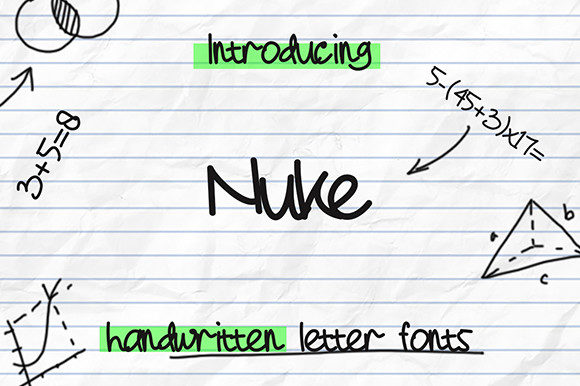
As a web designer, choosing the right font can transform a layout from ordinary to extraordinary. Nuke is a sweet and friendly handwritten font that brings a natural, unique style to any digital project. Its versatility makes it ideal for headers, logos, and decorative elements across websites, landing pages, and brand identities.
The personality of Nuke is warm and approachable, making it perfect for creative industries like fashion, lifestyle, or education. Its flowing strokes and subtle imperfections give it a human touch, which can help build trust and connection with users. This font works especially well when paired with clean, modern typefaces to balance contrast and readability.
Using Nuke in Web Design
Nuke excels in visual hierarchy, where it can draw attention to key elements like headlines, call-to-action buttons, and hero sections. Its organic shape allows it to stand out without overwhelming the design. For example, on a coaching website, using Nuke for a headline like "Unlock Your Potential" can create a personal and inviting tone.
In an online store, Nuke can be used for banners or product titles to add a handcrafted feel. Imagine a boutique selling handmade goods—using Nuke for a banner reading "Handmade with Love" reinforces the brand’s authenticity and craftsmanship. It also works well for short phrases on buttons, such as "Shop Now" or "Join Us," adding a touch of friendliness without sacrificing clarity.
When designing for mobile screens, it's important to ensure Nuke remains legible at smaller sizes. While it’s not ideal for long paragraphs, it can still be used effectively in headings or subheadings. On dark backgrounds, the font maintains good contrast, and on light backgrounds, its soft curves prevent eye strain during prolonged viewing.
Brand Identity and Visual Consistency
Nuke helps establish a consistent online identity by reinforcing a brand’s tone and personality. For a creative portfolio site, using Nuke for the logo or section headings can make the design feel more personal and artistic. It’s also great for blog headers, where it can add a unique flair without distracting from the content.
For a SaaS product landing page, Nuke can be used to highlight key benefits or features. A phrase like "Simplify Your Workflow" in Nuke adds a human element that complements the product’s functionality. Pairing it with a sans serif font for body text ensures the design remains professional and easy to read.
When working on a course sales page, Nuke can be used for the main title or subtitles to make the offer feel more engaging. For instance, "Learn Something New Every Day" in Nuke gives the page a welcoming and encouraging vibe. It also works well in social media graphics, where it can add a personal touch to promotional content.
Font Pairing and Digital Layouts
Pairing Nuke with other fonts enhances its effectiveness in different contexts. A common approach is to pair it with a simple sans serif for body copy, creating a clear contrast between decorative and functional text. For editorial designs, combining Nuke with a serif font can add depth and sophistication.
When selecting a font pairing, consider the mood and purpose of the design. For a modern, minimalistic site, Nuke can serve as a display font for headlines while a clean sans serif handles the rest. For a more traditional or artisanal look, a serif font might complement Nuke’s handwritten style better.
It’s also important to check the available styles and weights of Nuke. If the font includes multiple variants, you can use them to create subtle variations in your design. For example, a lighter weight could be used for subheadings, while a bolder version is reserved for main titles.
Practical Considerations for Web Use
Before implementing Nuke in a project, verify that it supports the necessary file formats and webfont availability. Many premium fonts come with web licenses that allow for use on websites, but it’s essential to confirm the terms of use for client projects, online stores, or digital templates.
Additionally, consider multilingual support if your audience speaks multiple languages. Some handwritten fonts may not include all characters, so checking this detail ahead of time can save time and avoid inconsistencies in the final design.
For commercial projects, always ensure that the font license covers the intended use. This includes websites, landing pages, and brand assets. Using a font without proper licensing can lead to legal issues, so it’s worth investing in a reliable source for high-quality fonts like Nuke.
Overall, Nuke is a powerful tool for web designers looking to add a personal, authentic touch to their digital work. Whether used for headers, logos, or decorative accents, it offers a unique blend of style and usability that can elevate any design. By understanding its strengths and limitations, you can make the most of this handwritten font in your next project.